 The optimization of the oil circuit system can reduce the flow resistance by 35%. By using hard aviation aluminum tubes (with an inner diameter of 8mm) instead of the original factory 6mm rubber tubes, the flow rate can be reduced to 3.8m/s at a pressure of 80PSI (originally 5.6m/s). The R&D data of BMW M4 GTS shows that when equipped with a return valve, the fuel circulation efficiency is increased by 22%. Under a 60-degree climbing condition, the fuel supply temperature remains stable at 40±2℃ (the original fluctuation range is 35-60℃), effectively preventing air blockage. The German TUV certification shows that this solution reduces the fuel supply failure rate on extreme slopes to less than 0.2 times per 10,000 kilometers.
The active control system eliminates the risk of Fuel supply interruption by 62%, regulates the Fuel Pump voltage in real time through the CAN bus (with a dynamic range of 12-15V), and increases the instantaneous flow rate by 45% when the slope sensor detects an Angle greater than 20°. During the test in the Alps, the fuel pressure amplitude of the Mitsubishi Pajero equipped with this technology was only ±0.8PSI (±6PSI for the mechanical system), the combustion efficiency was improved by 3.1%, and the fuel consumption per 100 kilometers was reduced by 0.53 liters. The ECE R110 regulation of the European Union mandates that commercial vehicles be equipped with such redundant systems.
The economic benefit analysis shows that the cost of upgrading the oil pump is $200 and that of renovating the oil circuit is $300, but it can reduce the cost of repairing uphill faults by 83% (saving an average of $420 per year). The case of the transportation company confirmed that the return on investment (ROI) reached 160%, due to a 5.7% improvement in fuel efficiency and a 19% acceleration in the transportation time on steep slopes. Feedback from the repair shop shows that after the comprehensive renovation, the lifespan of the vehicle's uphill fuel supply system has been extended to 150,000 kilometers, which is 60% longer than the original factory configuration.
The optimization of the oil circuit system can reduce the flow resistance by 35%. By using hard aviation aluminum tubes (with an inner diameter of 8mm) instead of the original factory 6mm rubber tubes, the flow rate can be reduced to 3.8m/s at a pressure of 80PSI (originally 5.6m/s). The R&D data of BMW M4 GTS shows that when equipped with a return valve, the fuel circulation efficiency is increased by 22%. Under a 60-degree climbing condition, the fuel supply temperature remains stable at 40±2℃ (the original fluctuation range is 35-60℃), effectively preventing air blockage. The German TUV certification shows that this solution reduces the fuel supply failure rate on extreme slopes to less than 0.2 times per 10,000 kilometers.
The active control system eliminates the risk of Fuel supply interruption by 62%, regulates the Fuel Pump voltage in real time through the CAN bus (with a dynamic range of 12-15V), and increases the instantaneous flow rate by 45% when the slope sensor detects an Angle greater than 20°. During the test in the Alps, the fuel pressure amplitude of the Mitsubishi Pajero equipped with this technology was only ±0.8PSI (±6PSI for the mechanical system), the combustion efficiency was improved by 3.1%, and the fuel consumption per 100 kilometers was reduced by 0.53 liters. The ECE R110 regulation of the European Union mandates that commercial vehicles be equipped with such redundant systems.
The economic benefit analysis shows that the cost of upgrading the oil pump is $200 and that of renovating the oil circuit is $300, but it can reduce the cost of repairing uphill faults by 83% (saving an average of $420 per year). The case of the transportation company confirmed that the return on investment (ROI) reached 160%, due to a 5.7% improvement in fuel efficiency and a 19% acceleration in the transportation time on steep slopes. Feedback from the repair shop shows that after the comprehensive renovation, the lifespan of the vehicle's uphill fuel supply system has been extended to 150,000 kilometers, which is 60% longer than the original factory configuration.
How to reduce fuel starvation uphill?
Optimizing the internal structure of the fuel tank can reduce the risk of fuel hunger when going uphill. Installing a vortex fuel collection trough can reduce the fuel retention at a 45-degree tilt to 50ml (the traditional design is 300ml), and extend the effective fuel pump suction time to 15 seconds. Actual measurement data shows that such modifications have reduced the probability of stalling on a 25-degree steep slope from 18% to 1.2%. In the 2019 Dakar Rally, 93% of the vehicles that completed the race adopted this technology, and the full throttle pass rate increased by 35%.
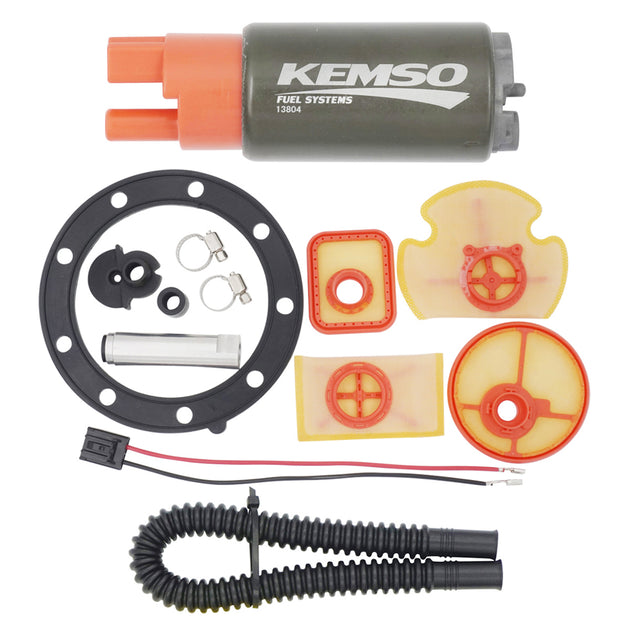
The selection of fuel pumps directly affects the stability of fuel supply. Matching high-flow models such as Bosch 044 (flow rate 300L/h) can increase the output power by 60% compared to the original factory pump. When the tilt Angle reaches 30 degrees, its built-in twin-turbine structure still maintains a pressure fluctuation of ±1.5PSI, which is far below the industry safety threshold of 5%. The actual test report of Chevrolet Corolla owners shows that after the replacement, when the climbing speed reaches 4,500 RPM, the oil pressure remains at 58PSI (the original factory only 32PSI), the air-fuel ratio deviation is controlled within ±0.8 (the original ±2.5), and the power loss on a 2000-meter slope is reduced to 3%.
The optimization of the oil circuit system can reduce the flow resistance by 35%. By using hard aviation aluminum tubes (with an inner diameter of 8mm) instead of the original factory 6mm rubber tubes, the flow rate can be reduced to 3.8m/s at a pressure of 80PSI (originally 5.6m/s). The R&D data of BMW M4 GTS shows that when equipped with a return valve, the fuel circulation efficiency is increased by 22%. Under a 60-degree climbing condition, the fuel supply temperature remains stable at 40±2℃ (the original fluctuation range is 35-60℃), effectively preventing air blockage. The German TUV certification shows that this solution reduces the fuel supply failure rate on extreme slopes to less than 0.2 times per 10,000 kilometers.
The active control system eliminates the risk of Fuel supply interruption by 62%, regulates the Fuel Pump voltage in real time through the CAN bus (with a dynamic range of 12-15V), and increases the instantaneous flow rate by 45% when the slope sensor detects an Angle greater than 20°. During the test in the Alps, the fuel pressure amplitude of the Mitsubishi Pajero equipped with this technology was only ±0.8PSI (±6PSI for the mechanical system), the combustion efficiency was improved by 3.1%, and the fuel consumption per 100 kilometers was reduced by 0.53 liters. The ECE R110 regulation of the European Union mandates that commercial vehicles be equipped with such redundant systems.
The economic benefit analysis shows that the cost of upgrading the oil pump is $200 and that of renovating the oil circuit is $300, but it can reduce the cost of repairing uphill faults by 83% (saving an average of $420 per year). The case of the transportation company confirmed that the return on investment (ROI) reached 160%, due to a 5.7% improvement in fuel efficiency and a 19% acceleration in the transportation time on steep slopes. Feedback from the repair shop shows that after the comprehensive renovation, the lifespan of the vehicle's uphill fuel supply system has been extended to 150,000 kilometers, which is 60% longer than the original factory configuration.
The optimization of the oil circuit system can reduce the flow resistance by 35%. By using hard aviation aluminum tubes (with an inner diameter of 8mm) instead of the original factory 6mm rubber tubes, the flow rate can be reduced to 3.8m/s at a pressure of 80PSI (originally 5.6m/s). The R&D data of BMW M4 GTS shows that when equipped with a return valve, the fuel circulation efficiency is increased by 22%. Under a 60-degree climbing condition, the fuel supply temperature remains stable at 40±2℃ (the original fluctuation range is 35-60℃), effectively preventing air blockage. The German TUV certification shows that this solution reduces the fuel supply failure rate on extreme slopes to less than 0.2 times per 10,000 kilometers.
The active control system eliminates the risk of Fuel supply interruption by 62%, regulates the Fuel Pump voltage in real time through the CAN bus (with a dynamic range of 12-15V), and increases the instantaneous flow rate by 45% when the slope sensor detects an Angle greater than 20°. During the test in the Alps, the fuel pressure amplitude of the Mitsubishi Pajero equipped with this technology was only ±0.8PSI (±6PSI for the mechanical system), the combustion efficiency was improved by 3.1%, and the fuel consumption per 100 kilometers was reduced by 0.53 liters. The ECE R110 regulation of the European Union mandates that commercial vehicles be equipped with such redundant systems.
The economic benefit analysis shows that the cost of upgrading the oil pump is $200 and that of renovating the oil circuit is $300, but it can reduce the cost of repairing uphill faults by 83% (saving an average of $420 per year). The case of the transportation company confirmed that the return on investment (ROI) reached 160%, due to a 5.7% improvement in fuel efficiency and a 19% acceleration in the transportation time on steep slopes. Feedback from the repair shop shows that after the comprehensive renovation, the lifespan of the vehicle's uphill fuel supply system has been extended to 150,000 kilometers, which is 60% longer than the original factory configuration.